
Why we use whole houses for insurance and contractor stays
Loss adjusters and site managers are both trying to solve a problem hotels cannot solve. That mismatch is the demand behind guaranteed rent.
A guaranteed rent promise is only as good as the demand behind it. Ours comes from two groups who want the same thing for completely different reasons.
Insurance placements
After a fire or an escape of water, the policy obliges the insurer to house the policyholder in broadly equivalent accommodation while the claim is settled. A family of five in two hotel rooms with no kitchen complains, and complaints extend claims. A four-bedroom house down the road from their children's school keeps the household together, keeps the claim quiet, and often costs the insurer less per night than the rooms it replaces. Repairs on a serious escape-of-water claim commonly run three to nine months, so these are long, contracted, insurer-paid stays.
Contractor and commercial lets
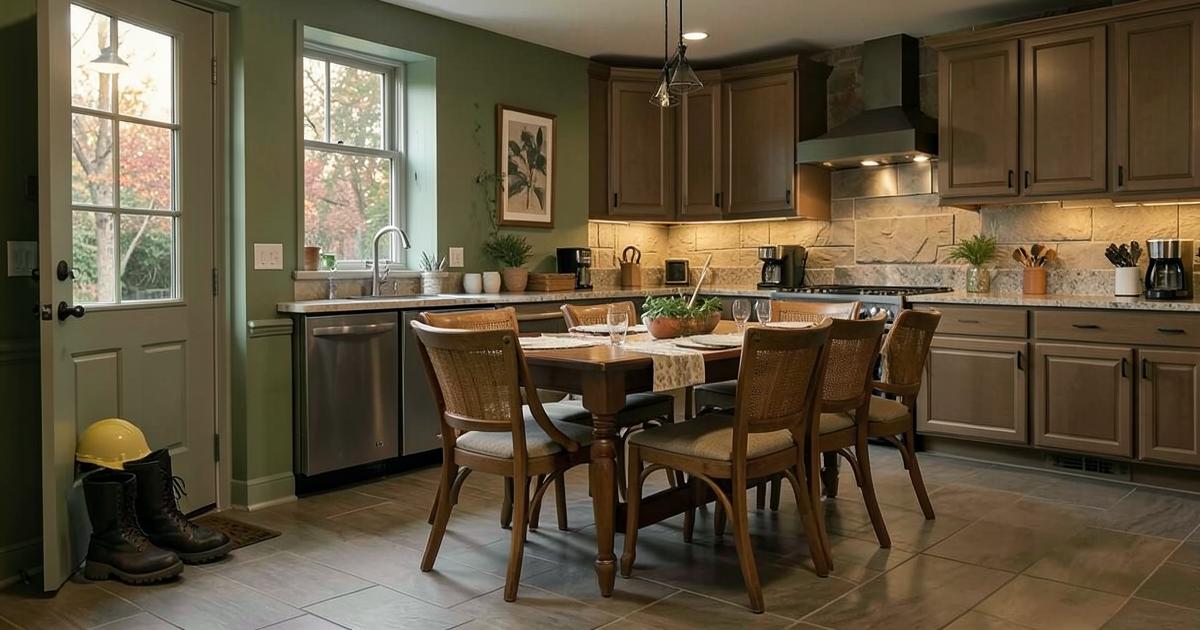
A site team of five on a twelve-week job needs somewhere to cook, dry wet kit, wash workwear and park two vans off the road. Five hotel rooms in East London at £90 a night is £2,700 a week before anybody eats. One house at a fixed weekly rate is materially cheaper per head and the crew stays together. East London has the infrastructure and housing work to sustain this steadily rather than seasonally.
Why demand keeps coming
Most of our occupancy comes from people and organisations who have used us before: adjusters who know the houses, firms with an account open, guests who come back and ask what else we have. A portfolio built slowly, in an area we know well, is what keeps that list warm — and it is why an empty week rarely becomes an empty month.
What it means for your income
You are paid the same amount on the same date whether the house is full or empty. Occupancy is our problem to solve.