
What "like-for-like" actually means in a rehousing claim
Two words in the policy wording cause more alternative accommodation disputes than anything else. Here is how they are read in practice, and where placements go wrong.
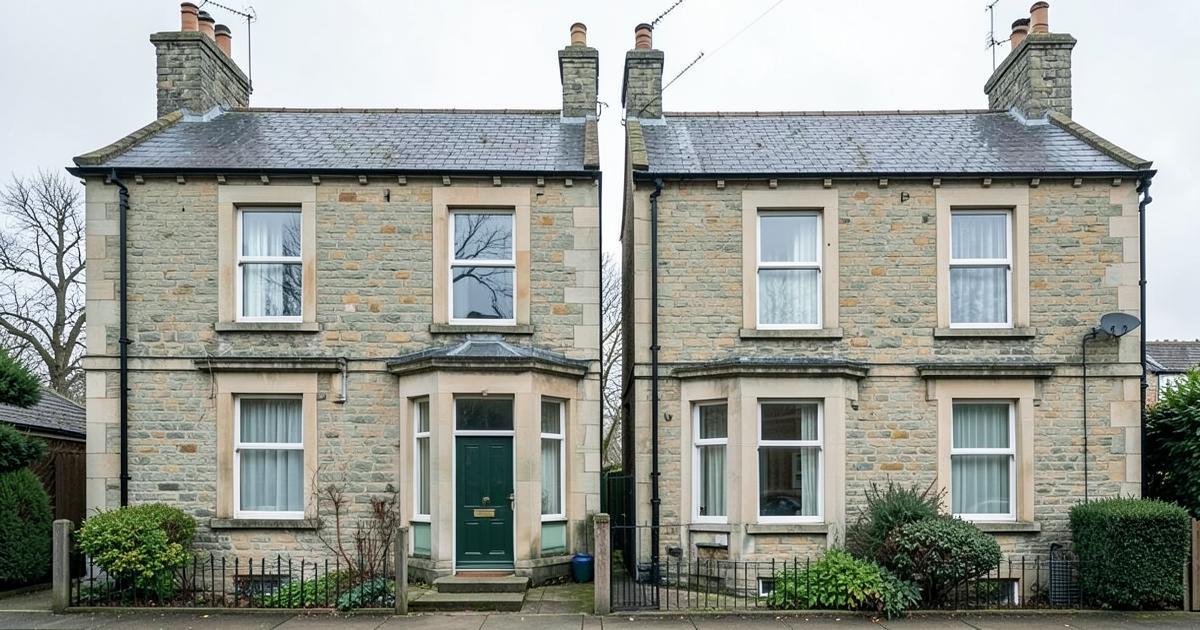
Most household policies promise alternative accommodation of a similar standard to the insured property. The wording is short. The arguments are long, because "similar" is doing an enormous amount of work.
What it is usually taken to mean
- A comparable number of bedrooms and reception rooms, not a comparable number of beds.
- The same broad type of property — a house for a house, where the local market allows it.
- A location that preserves the household's routine: schools, work, care arrangements.
- Facilities the household had before, including a kitchen, laundry and parking where applicable.
What it does not mean
It does not mean an upgrade, and it does not mean matching finishes. A policyholder is not entitled to a better property than the one they left, and an insurer is not obliged to replicate a bespoke kitchen. It also does not mean the cheapest thing available that technically sleeps the household.
Where placements go wrong
Three failures account for most complaints: a serviced apartment substituted for a family house; a placement far enough away to break the school run; and a property that is nominally the right size but has no usable kitchen or laundry. Each of these is defensible on paper and indefensible to the household living in it.
Getting it right first time
The cheapest placement is the one that does not need to be moved. Establishing bedroom count, school catchment, pets, accessibility and vehicle needs before booking anything avoids the second placement — which almost always costs more than getting the first one right.