
When a tenant stops paying: the timeline nobody tells you about
Arrears rarely arrive as a crisis. They arrive as a late payment, then a promise, then silence. Here is how the months actually unfold, and what each stage costs.
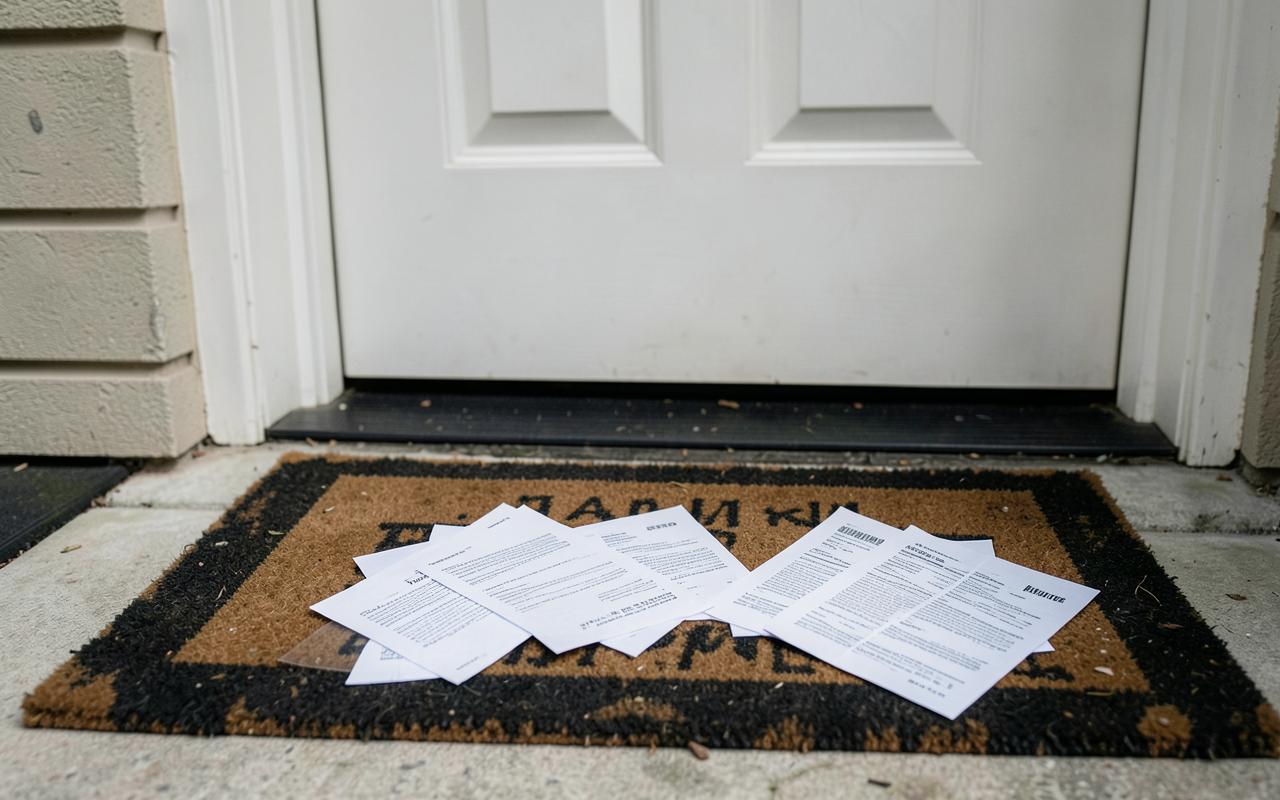
Ask a landlord what worries them and most say damage. Ask one who has been through it and they say arrears. Damage is a number you can quantify and fix. Arrears is an open-ended drain with a mortgage still going out of your account each month.
Month one: the late payment
The rent does not land on the date. There is usually a plausible reason — a change of job, a delayed benefit payment, a bank issue. Most landlords, reasonably, give it a fortnight. Nothing is wrong yet, and nothing is being recovered either.
Months two and three: the payment plan
A partial payment arrives, or a promise of one. This is the stage that quietly costs the most, because it feels like progress while the shortfall compounds. By the end of month three you are typically two months down and holding an informal agreement with no enforcement behind it.
Months three to six: formal steps
This is where you serve notice and, if it is not resolved, apply to the county court. Court time is the variable nobody can promise you: listing delays vary enormously by region, and a defended case takes longer than an undefended one. Add the possession order, and then — if it comes to it — the wait for county court bailiffs, who are the busiest part of the chain.
The bill at the end
- The arrears themselves, most of which are rarely recovered in practice.
- Court and legal costs, payable up front by you regardless of outcome.
- The mortgage, insurance, service charge and council tax that carried on throughout.
- The void and refurbishment after the property comes back, before any new income starts.
- Months of your own time, which nobody ever puts a figure against.
Why guaranteed rent changes the shape of this
Under our agreement the payment obligation is ours, not an occupant's. If somebody in one of our houses stops paying, that is a problem on our side of the line: we still pay you the agreed figure on the agreed date, and we deal with the recovery, the vacancy and the reletting. You never enter the timeline above, because you are not a party to it.
That is the whole product, really. Not a promise that nothing goes wrong — a structure where the wrong thing lands on us.