
Too much house, not enough cash: the downsizing trap
Plenty of owners in Ilford are sitting in a five-bed with three empty rooms, wanting something smaller, and finding the sums don't work. Here is why, and the way round it.
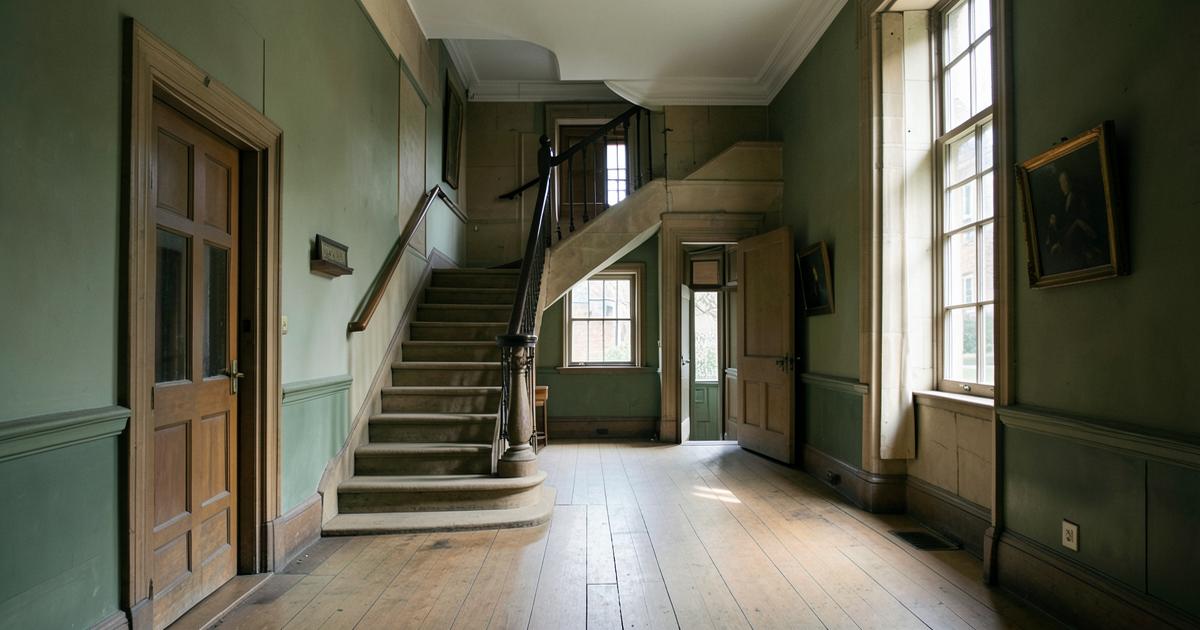
The couple we keep meeting are in their sixties. They bought the house in the nineties, raised the family in it, and the children left years ago. Three bedrooms are shut. The heating bill covers the whole floor plan anyway. They would move to a two-bed bungalow tomorrow — and they can't, because when they run the numbers the move costs them money they do not have in cash.
Where the money goes
Their wealth is in bricks, not in the bank. If they own a second property — the one they let out, or the one they inherited — selling it triggers capital gains tax on decades of growth. Then buying the smaller place triggers stamp duty, and if they still hold another property at completion, the additional-dwelling surcharge on top. Two tax bills to end up in a smaller house. Selling the family home avoids CGT through private residence relief, but that only helps if the family home is the one they want to leave, and it does nothing about the stamp duty on the next purchase or the cost of the move itself.
- Capital gains tax on the sale of a property that was never their main residence.
- Stamp duty on the purchase, plus the surcharge if they own more than one property on completion day.
- Agent fees, legal fees, removals — real money, paid in cash, at the worst possible moment.
- The gap in the middle: selling before buying leaves them homeless on paper, buying before selling means bridging.
So they stay put
That is the trap. Not poverty — paper wealth with no liquidity, and a tax system that charges them to rearrange it. So they stay in a house that is too big, too cold and too much work, and tell themselves they will deal with it next year.
The move that doesn't require a sale
You do not have to sell a house to stop living in it. If the four or five bed becomes an income-producing asset instead of a home, it pays for somewhere smaller and more suitable to live. We lease the house from you on a fixed monthly figure, paid on the same date whether it is full or empty, and we manage everything inside it. You keep the asset, you keep the growth, you trigger no CGT and no second stamp duty bill, and you get a predictable income you can budget a rental or a smaller mortgage against.
When you do eventually want to sell — in five years, or when the market suits you, or as part of estate planning — the house is there, maintained, and you sell on your timetable rather than because you needed the money this spring.
What it looks like in practice
One conversation, a look at the property, an indicative monthly figure within two working days. If it works, we agree a term, we furnish and set the house up at our cost, and you stop being a landlord in every sense that involves your phone ringing. You move to the flat or bungalow you actually want, and the big house pays for it.
It is not right for everyone. If you need the lump sum now, you need to sell, and we will say so. But if what you need is somewhere smaller to live and a reliable income, selling is not the only route — and it is usually the most expensive one.