
How landlords can protect themselves in 2026
Six concrete steps, in order of how much they cost and how much they save. None of them are "speak to a trusted partner".
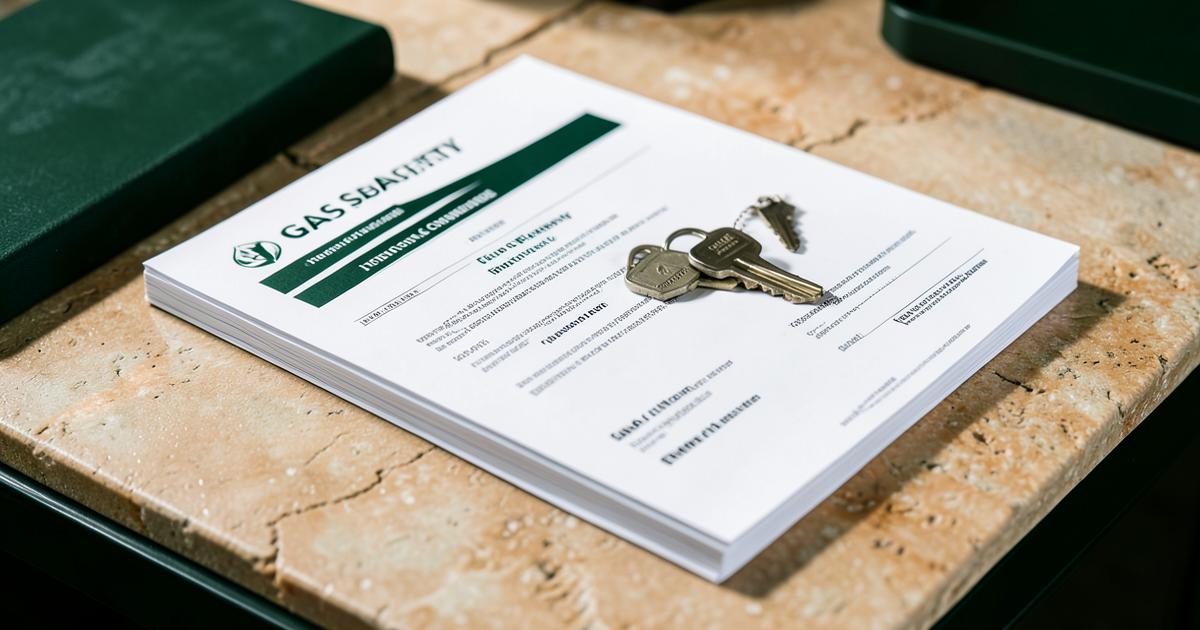
Most landlord losses are not caused by bad luck. They are caused by a missing document, an uninsurable gap, or a structure that leaves one person carrying every risk in the chain. Here is what to do about each.
1. Build the compliance file, then keep it
Gas safety certificate, EICR, EPC, How to Rent guide served and evidenced, deposit protected within 30 days with prescribed information served, licence where required. Insurers decline rent guarantee claims on missing paperwork more often than on the facts of the arrears. Scan everything into one folder per property with the date served in the filename.
2. Reference properly, and reference the guarantor too
Affordability at 30 times monthly rent as annual income, employer confirmation, previous landlord reference from the landlord before the current one — the current one may be trying to move a problem on. A UK homeowner guarantor with their own reference, on a deed rather than a signature line.
3. Buy rent guarantee and legal expenses cover
Typically £200 to £400 a year for twelve months of rent plus legal costs. Read the conditions: most require the referencing above, most exclude the first month, most require you to notify at a specific arrears trigger. Cover you cannot claim on is a subscription, not protection.
4. Get the EPC assessment done this year
You need to know whether you are a £2,000 problem or a £15,000 one before the queue forms in 2029. It also tells you whether the property is worth holding at all.
5. Check your licensing position at street level
Selective licensing boundaries do not follow postcodes. Confirm on the borough's own map, note the scheme's renewal date in a calendar, and diary the renewal ninety days out.
6. Decide who carries the void
Everything above reduces the chance of a loss. Only the structure of the letting decides who pays when one happens. Self-managing keeps the upside and all of the risk. A letting agent takes 10 to 15 per cent and still leaves you the void, the arrears and the possession claim. A guaranteed rent lease pays less than peak market rent and moves the void, the arrears and the day-to-day management to the company. Which of those is right depends on whether the extra couple of hundred a month is worth more to you than certainty. It is a genuine trade-off, and anyone telling you it is not is selling.