
Furnished or unfurnished? The maths landlords rarely do
Furnishing a house costs real money up front and earns a modest premium. Whether it pays depends almost entirely on who you are letting to — and how often they move.
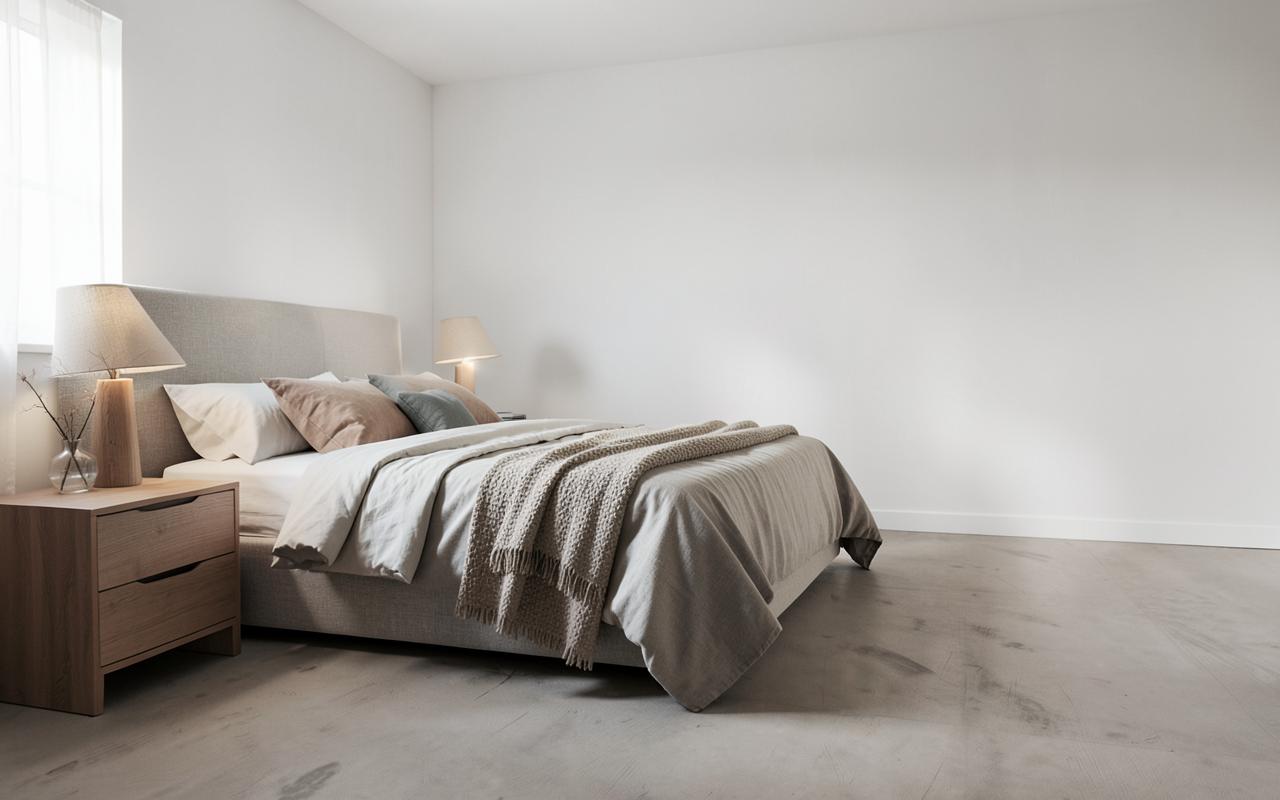
The standard advice is that unfurnished is less hassle and furnished earns more. Both halves are true and neither is useful on its own, because the sums swing enormously depending on the length of stay.
The cost side
Furnishing a three or four bed house properly — beds, mattresses, sofas, dining table, white goods, soft furnishings, crockery, curtains — is a meaningful capital outlay before a single night is let. Then there is replacement: mattresses and sofas do not last a decade in a let property, and something breaks every year. Everything soft must meet fire safety regulations, and every appliance needs to be safe and maintained.
The income side
On a conventional long tenancy the furnished premium is usually thin, because tenants staying two or three years tend to own their own things and would rather not pay for yours. Over a long term the premium often does little more than cover replacements. Unfurnished also means less to argue about at check-out, and inventory disputes are where deposits go to die.
Where furnishing genuinely pays
The picture inverts for short and medium stays. A family rehoused after a flood, a crew on a four-month contract, a consultant on a placement — none of them are shipping a sofa in. For those occupants a fully equipped house is not a premium, it is the entry requirement. Unfurnished simply cannot be let to them at all.
- Long lets to settled households: unfurnished is usually the better return and the lower risk.
- Short and medium stays: furnished is compulsory, and the nightly or weekly rate reflects it.
- Anything in between — twelve month lets to relocating professionals — is genuinely a judgement call.
The version where you don't have to decide
When we take on a house we furnish and equip it at our own cost, to the standard our occupants require, and we replace things as they wear out. The owner spends nothing on furniture and carries none of the replacement cycle, and the monthly figure they receive is agreed regardless. It removes the calculation rather than answering it.