
Contractor accommodation: the UK's quiet housing shortage
Every major project — rail, water, energy, retrofit — needs somewhere for its crews to sleep. The country is short of the one thing they actually need: whole houses.
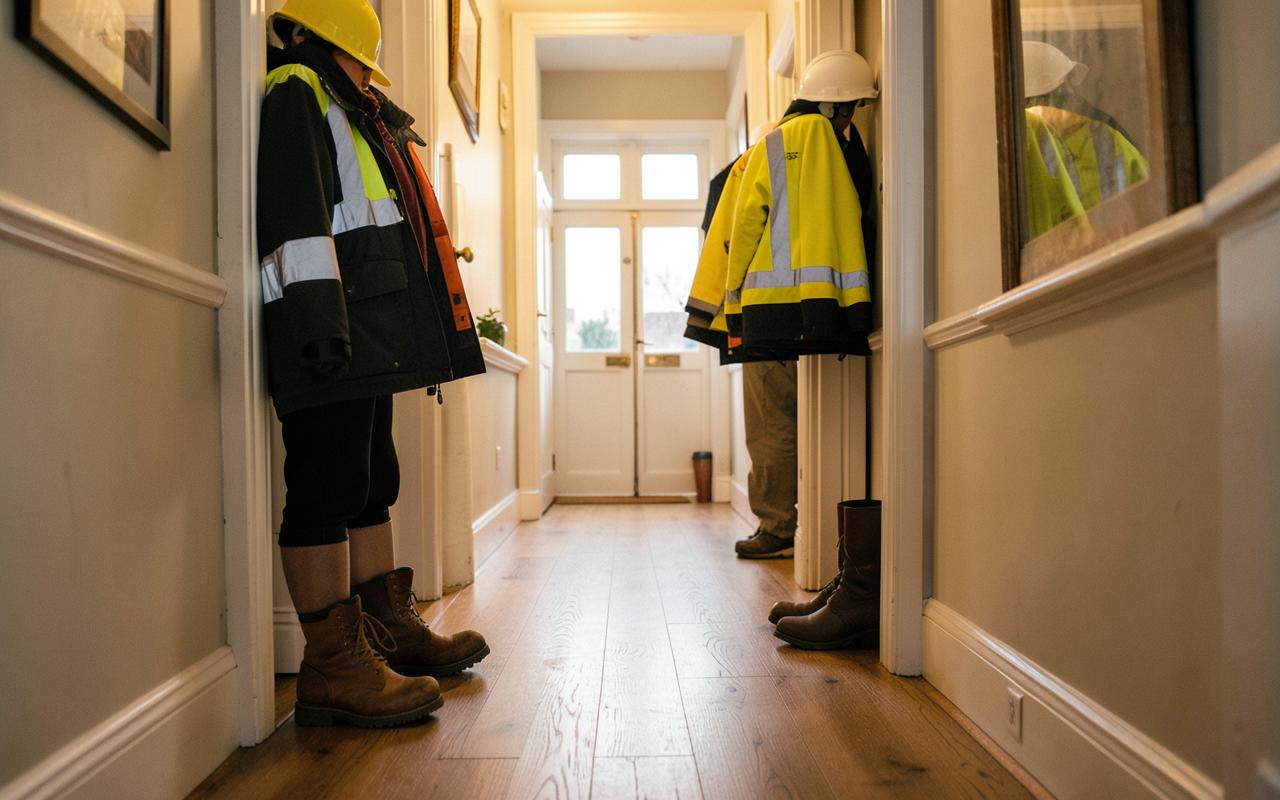
Infrastructure work does not happen where people already live. It happens along a route, around a substation, on a site at the edge of a town, and the crews come from wherever the skills are. That leaves project managers solving a housing problem they were never hired to solve, often at three weeks' notice.
Why hotels are the wrong tool
- Cost per head per night is high, and stays run for months rather than nights.
- No kitchen, so every meal is an expensed meal and the daily rate climbs again.
- No laundry, no drying space, and nowhere to leave kit securely between shifts.
- Shift patterns clash with housekeeping, breakfast windows and thin walls.
- Rooms are booked individually, so a crew of six gets scattered across three properties.
What crews actually need
A whole house, taken as one unit. Enough bedrooms for the team, a kitchen they can cook in, a washing machine that runs every evening, parking for two vans, and a front door that belongs to them. It is not a luxury specification — it is a house set up so people working long days can live normally for a few months.
Why the supply isn't there
The traditional rental market is built around twelve-month tenancies to individuals. A four-month booking for a rotating crew does not fit that model, and most landlords would not take it even if it did. Serviced accommodation operators tend to hold apartments in city centres, not four and five bed houses in the commuter and industrial towns where the work is. So demand and supply sit in different places and different formats.
How we fill the gap
We lease whole houses from owners on multi-year agreements, furnish them to a consistent standard, and let them to organisations rather than to individuals: one contract, one invoice, one point of contact, no per-room administration. Bookings run from a few weeks to many months, with the paperwork handled at company level.
For the owner of the house, none of that complexity is visible. They receive the same figure on the same date every month. For the project team, it is one call rather than forty room bookings — which, on a job already running to a fixed programme, is usually the point.